Choosing between a beach resort vs mountain resort trips up more travelers than you might expect. Many people wait until a few weeks before departure, hoping the right choice will become obvious, then book late and pay more because they never compared the two on the things that actually matter: weather, price and activities.
This guide breaks the decision into clear, practical questions. We start with what each type of resort actually delivers day to day, then look at when each destination shines season by season. From there, we compare what you will really pay, match resort types to different traveler groups, and weigh travel time and accessibility. Finally, we cover how and when to book for the best rate, and wrap up with a simple way to make your final call. By the end, you should know exactly which resort fits your next trip.
Beach Resort vs Mountain Resort: What Each Experience Delivers
The core difference comes down to one word: water versus terrain. Beach resorts are built around the shoreline, so most of your days revolve around swimming, sunbathing, snorkeling and long sunset walks along the sand. The ocean sets the pace, and even meals and evening entertainment tend to happen with a view of it.
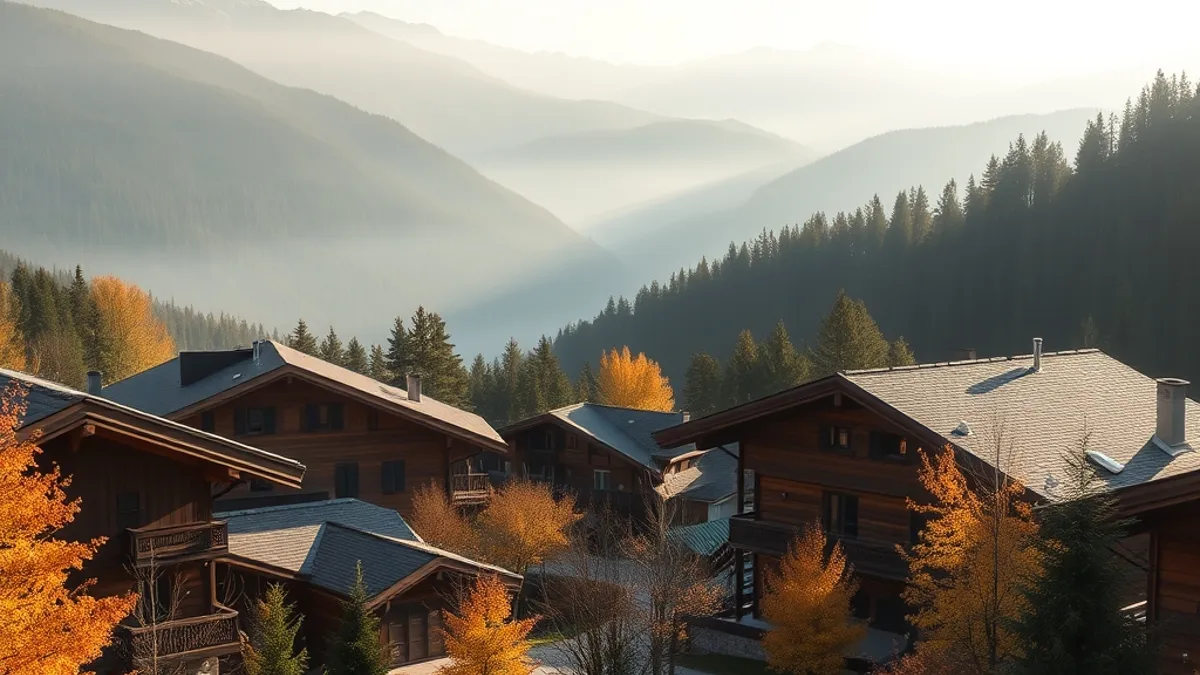
Mountain resorts, on the other hand, are organized around the landscape itself. Hiking trails, ski runs and scenic lifts take the place of a beach lounger, and the day typically ends with a cozy evening by the fire rather than a stroll along the shore. The setting feels more enclosed and dramatic, and the activities change with the seasons in a way beaches rarely do.
Relaxed trip or active itinerary?
This difference shapes how you plan. Beach trips favor relaxation and minimal planning: you can arrive with nothing booked beyond your room and still have a full week. Mountain trips reward travelers who like structure, since lift passes, gear and guided outings all benefit from a little advance thought. Neither style is better; they simply suit different moods.
Weather and Seasonality: When Each Destination Shines
Timing matters more in the mountains than at the beach, and knowing the seasons before you book can save you both money and disappointment. Beach high season runs June to August, when temperatures typically sit between 25-35°C and every service at the resort is in full swing. Expect lively pools, busy restaurants and a full activities schedule, but also fuller beaches and peak pricing. May and September are the shoulder months: the sea is still pleasant, prices drop and the crowds thin out noticeably, making them a smart pick if you value calm over guaranteed heat.
The mountains run on two separate calendars, and it is easy to confuse them when planning. Ski season typically runs December to March, when snow cover is at its best and resorts operate at full capacity. Summer hiking season runs June to September, offering milder days in the 15-25°C range and open trails across most ranges. Check which window matches the trip you actually want before choosing dates.
- Ski season crowds: December holiday weeks and February half-term weeks are the busiest on the slopes, so lift lines and lodge prices peak together.
- Summer trail conditions: early June can still leave higher trails muddy from melting snow, while late August and September offer the most stable hiking weather.
- Shoulder season closures: some restaurants, lifts and spa facilities at mountain resorts reduce hours or close entirely between seasons, so confirm what will be open before you book.
If you want every service at a mountain resort running normally, avoid the shoulder months of April-May and October-November. These in-between stretches often mean partial operations and unpredictable conditions, which can frustrate travelers expecting a full resort experience. That said, they can suit travelers who prefer quiet slopeside lodging and do not mind a reduced schedule. Ask the resort directly about lift, restaurant and spa availability during your dates, and confirm your dates before paying any deposit.
Budget Comparison: What You Will Actually Pay
Price differences between the two resort types are smaller than most travelers assume, but the extras add up differently. All-inclusive beach packages typically run $150-400 per person per night in peak weeks. That rate usually covers meals, drinks and basic activities, which makes day-to-day spending easy to predict.
Mountain lodges average $120-350 per night, so the room rate alone often looks cheaper. The catch is that shoulder-season discounts of 30-50% are common in the mountains, meaning the same lodge can cost dramatically less outside peak weeks. Few beach destinations offer swings that large.
Where the extra costs hide
Each trip type carries its own add-ons. Mountain trips add gear rental and lift or guide costs, which can meaningfully raise a ski week’s total, especially for a family needing several sets of equipment. Beach trips add excursions and spa add-ons: boat trips, snorkeling outings and treatments are rarely included, and they are easy to accumulate over a relaxed week.
The practical approach is to compare total trip cost, not just the nightly rate. A higher all-inclusive beach price may end up cheaper than a modest lodge rate once lifts and rentals are counted, so price out your likely extras before committing to either option.
Activities and Trip Style: Matching the Resort to Your Group
The biggest mistake groups make is booking a resort that fits one person’s ideal trip and hoping everyone else adapts. The truth is that beach and mountain resorts serve very different travel styles, and matching the setting to your group saves a lot of frustration later.
Families with young children usually have the easiest time at beach resorts. Shallow, calm water lets kids play at the edge of the sea without constant worry, and most family-oriented beach properties run supervised kids’ clubs so parents get real downtime. The grounds also tend to be flat and walkable, which matters enormously when you are pushing a stroller or hauling beach toys, towels and snacks across a property.
Couples and adventure seekers generally find more variety in the mountains. A single mountain resort can offer marked hiking trails, scenic cable car rides and seasonal sports that change completely between winter and summer visits. Days feel structured and full, and evenings by the fire give the trip a different rhythm than a beach stay.
Mixed groups face the hardest choice. Before booking, check exactly what the resort offers on site, because “close to hiking” and “hiking from your room” are very different promises.
- Water depth and lifeguards: Ask whether the beach has a gentle, gradual entry and seasonal lifeguard coverage, or whether swimming happens mainly in the resort pool.
- Kids’ club age range: Some programs start at age four, others at one or two, and a few operate only in high season, so confirm the details before you count on childcare.
- Trail access: Look for resorts with marked trails starting at the property, since a short shuttle ride to trailheads adds planning to every outing.
- Shared spaces: If your group splits between swimmers and hikers, a resort with both a good pool area and easy trail access keeps everyone together at mealtimes.
Travel Time and Accessibility
Getting there is half the decision, and here beach resorts usually have the edge. Beach destinations often sit 1-2 flight hours closer than remote mountain airports, which means less time in transit and more time actually on vacation. That difference sounds small until you are traveling with tired kids or squeezing a trip into a long weekend.
Mountain resorts, by contrast, are frequently built where the terrain is dramatic, and dramatic terrain rarely comes with a convenient airport. Many mountain resorts require a 1-3 hour transfer by car or shuttle from the nearest airport, along winding roads that can feel long in bad weather. Check the transfer cost and duration with your operator or hotel before booking, since it can meaningfully change both your budget and your arrival-day plans.
How trip length changes the math
Because of that travel gap, trip length matters differently for each destination. Beach resorts usually work well for shorter 4-5 day trips, since you can land, unpack and be on the sand within a few hours. A short beach escape feels complete rather than rushed.
Mountain trips justify 7 or more days to offset the longer journey. Between the transfer, settling in and the fact that weather can close trails or lifts on any given day, a week gives you enough cushion to actually enjoy the activities you came for. If you can only manage a long weekend, a beach resort closer to home is typically the more rewarding pick.
How and When to Book for the Best Rate
Resort prices move with demand, and the timing of your booking often matters more than which resort you choose. Both beach and mountain resorts follow fairly predictable patterns, so a little planning goes a long way toward a better rate. Here is how to approach each type.
- Book beach resorts 3-6 months ahead. This window typically saves 15-30% versus last-minute rates, because resorts reward early commitment during the busy summer months rather than discounting at the last minute. Mark your calendar and book the moment the window opens.
- Reserve mountain peak weeks 4-6 months out. The winter snow months bring the heaviest demand, and rooms around the holidays sell out first, so early booking here is less about savings and more about securing a room at all. If you wait, your choice of lodge and room type shrinks fast.
- Compare room-only versus all-inclusive rates before committing. An all-inclusive package is excellent value only if you actually plan to eat two or more meals daily on site. Check what the bundle covers, since drinks, snacks and some restaurants are sometimes excluded.
- Price the extras either way. All-inclusive bundles meals and drinks, but room-only rates plus a nearby restaurant can come out cheaper if your group likes eating out. Add up both scenarios for your actual group size.
One more timing tip: mountain lodges commonly range $120-350 per night, and shoulder-season dates can cost 30-50% less than peak weeks. If your dates are flexible, shifting your trip by a few weeks often saves more than any promotion or loyalty discount ever will. Check current rates directly with the resorts, since prices change year to year and between properties.
Wrapping Up Your Resort Choice
Choosing between a beach resort and a mountain resort comes down to three honest questions: what kind of weather you want, how active you plan to be, and how much you can spend. Beach resorts deliver warm days, easy relaxation and shorter trips, while mountain resorts reward travelers who want cooler air, structured activities and a longer stay. Season and budget usually decide the winner, not destination hype.
Timing matters just as much as the destination itself. Booking 3-6 months ahead typically secures the best rates for either type of resort, so decide early rather than waiting and paying a premium. Once you match the resort style to your season, budget and travel companions, the choice becomes clear. If this helped you decide, leave a comment or share the article with a friend planning their next trip.