A lodge is essentially a hotel in a mountain setting: you check in at a front desk, eat at an on-site restaurant and share amenities like pools, spas or lounges with other guests. A cabin, on the other hand, is a private, self-catering rental. You get the whole property to yourself, handle your own meals and come and go without seeing staff.
Space and service compared
The practical differences show up quickly. Lodges offer daily housekeeping and on-site dining, so nobody in your party ever washes a dish or makes a bed. Cabins trade that service for full kitchens, privacy and far more living space per person: a shared living room, multiple bedrooms and usually an outdoor area of your own.
Sleeping capacity separates the two as well. Lodge rooms typically sleep 2-4 guests, which means larger groups often need to book several rooms. Cabins usually accommodate groups of 4-10 under one roof, keeping everyone together.
Ultimately, the choice comes down to three questions: how much service you want, how large your group is, and how much time you actually plan to spend on-site. Answer those and the right option usually becomes obvious.
Lodge vs Cabin: The Core Differences at a Glance
If your trip involves two to four people who want everything within reach, a lodge is hard to beat. The best mountain lodges sit within walking distance of restaurants, lifts and village shops, so you can park the car once and forget about it until checkout. That walkability alone removes a layer of daily logistics from your trip.
Convenience matters most on short stays. On a 2-3 night trip, who wants to grocery shop, cook and clean? On-site dining and spa or pool facilities mean you can ski all morning, soak in the afternoon and eat well without ever getting back in the car.
The service model also removes chores entirely. Daily housekeeping resets your room while you are out, and a front desk handles everything from late arrivals to restaurant recommendations. That is especially valuable during the December-February ski peak, when roads are snowy and days are short. If budget is part of your planning, the same total-cost mindset applies elsewhere too, as explained in this guide to lowering your monthly payments and freeing up cash flow.
- Equipment storage on site: many lodges offer ski valet or gear storage, so you are not hauling boots and boards up to your room each evening.
- Flexibility for early or late arrivals: a staffed front desk can hold your bags and hand over keys even if you reach the mountain after dark.
- Bundled value: nightly rates of $120-$350 often include amenities like hot tubs, pools or breakfast that a cabin rental would charge separately for.
- Easier splits for small groups: with rooms sleeping 2-4 guests, a couple or small family books one room instead of coordinating a whole-property rental.
When a Lodge Is the Better Choice
Gather a group of grandparents, parents and toddlers under one roof, and a cabin starts to make obvious sense. Instead of scattering across several separate lodge rooms, everyone shares a single property: a real living room for evening card games, a full kitchen for big group breakfasts, and bedrooms that let people retreat when they need quiet. The whole party stays together, which is half the fun of a mountain trip.
Longer summer stays amplify the advantage. Cooking even a few dinners in a full kitchen can meaningfully cut restaurant bills, and casual porch breakfasts cost a fraction of what a mountain café charges. Plan a weekly shop at the start of your stay and you will feel the savings by day three. If your budget is tight, it can help to review refinancing tips for lower payments and better cash flow before committing to a big group vacation, since freeing up monthly cash makes longer stays easier to justify.
Seclusion is the other big draw. A cabin set back from town sounds like a drawback until you experience the payoff: quiet evenings, a private fire pit and scenic porches with no neighbors in sight. For travelers who want the mountain itself rather than the village, that distance is the point.
- Group meals become part of the trip: full kitchens let you cook one-pot dinners, pack hiking lunches and keep snacks on hand without bar prices.
- Outdoor space is private: fire pits, decks and porches belong to your group alone, not shared with other hotel guests.
- Room for everyone’s rhythm: multiple bedrooms and common areas mean early sleepers, late gamers and morning readers can coexist happily.
When a Cabin Fits Your Trip Better
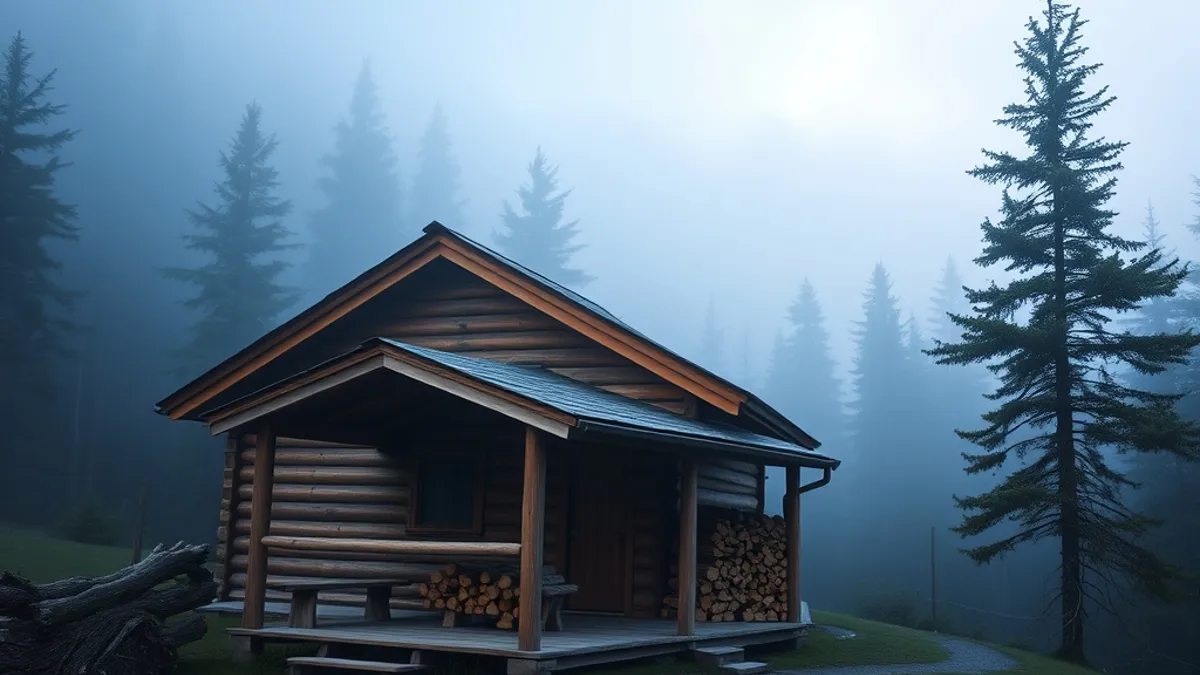
If your trip revolves around the people you’re traveling with rather than the amenities you’re leaving behind, a cabin is probably the right call. A private rental with a shared living room and a full kitchen changes the whole rhythm of a mountain vacation: everyone gathers in one space instead of scattering to separate hotel rooms, and breakfast happens around your own table rather than in a crowded dining room.
This setup shines for groups of 4-10 and multigenerational families. Grandparents can read on the porch while kids play in the yard, and no one has to whisper after the little ones go to bed. You also get real breathing room, with multiple bedrooms and often two or more bathrooms instead of a single cramped suite.
Cabins reward longer stays, too. On a full week in summer, cooking most of your meals in a well-equipped kitchen can save your group hundreds of dollars compared with eating every dinner at a restaurant. Even a simple routine of eggs at breakfast and pasta at dinner makes a noticeable dent in the food budget.
Then there’s the price math. A cabin renting for $150-$400 per night, split across six or eight people, often costs less per person than booking two or three separate lodge rooms at $120-$350 each. Add the privacy factor, and the value becomes hard to beat.
A few situations where a cabin clearly wins:
- Quiet seekers: Properties 15-45 minutes from town trade walkable restaurants for real silence, dark night skies and wildlife sightings right outside the window.
- Outdoor living: Fire pits, scenic porches and private decks give your group a second gathering space that no lodge room can match, perfect for evening s’mores or morning coffee with a view.
- Working vacations: If you’re mixing remote work with hiking days, a dedicated table, reliable Wi-Fi and room to spread out beat balancing a laptop on a hotel bed.
- Pet-friendly travel: Many cabin owners welcome dogs, while most lodge rooms restrict or charge extra for pets, so check policies before booking either option.
Costs and Fees to Compare Before You Book
The single biggest mistake travelers make when comparing a lodge and a cabin is looking only at the nightly rate. A cabin that looks cheaper at first glance can lose its advantage once per-stay fees, groceries and supplies are added in. Before you commit, build a total stay cost for both options using your actual dates, group size and length of stay.
Most cabin owners and rental platforms add a cleaning fee of $75-$200 per stay, and some charge pet fees or heating surcharges on top. On a short two-night trip, that fee can be a meaningful chunk of your bill; spread across a week, it matters far less. Lodge rooms run $120-$350 per night and generally bundle daily housekeeping plus access to on-site dining, so there are fewer surprise line items at checkout. Ask both hosts and hotels for a full price breakdown before booking.
Hidden costs that only show up in a cabin budget
Self-catering is part of the cabin deal, and it has a price. Your grocery bill, plus basics like coffee, cooking oil, spices and trash bags, needs to be in the budget. A family preparing most meals will usually come out ahead, but a group that eats out every night may find the kitchen goes unused while the cleaning fee still applies. Map the nearest supermarket before booking so you can estimate this honestly.
Timing changes the math for both stay types. The shoulder months of May, September and October can cut nightly rates by 20-40%, which often shrinks or erases the gap between a lodge and a cabin. As a rule of thumb, the per-person cost usually favors cabins for groups of 6 or more, while couples tend to get better value from a lodge room at $120-$350 with services included. Run the numbers for your own trip rather than relying on any general rule.
Booking Windows and Seasonal Timing
Mountain stays sell on a different clock than city hotels. Popular properties in ski towns and hiking hubs can be fully booked months out, so your lead time should match your season. A family reunion cabin that sleeps ten will vanish from the calendar long before a standard lodge room does, and the best-located lodges near the lifts fill almost as quickly. The good news is that the planning is simple once you know your dates, and a few booking habits will put you ahead of most other travelers.
- Identify your season first. Peak periods run mid-December to late February for ski trips and mid-June to early September for summer hiking. Knowing which window you fall into determines everything else, from how early you book to how much you should expect to pay.
- Book 3-6 months ahead for peak season. This applies to both lodges and cabins. Early bookers get the best locations, the largest cabins and the rooms closest to the lifts, while latecomers are left with the leftovers.
- Allow only 4-8 weeks for shoulder-season trips. If you are traveling in May, September or October, inventory is usually plentiful and rates are already reduced, so a shorter lead time works fine.
- Move fast on cabins in summer. Cabin inventory is smaller than lodge room inventory, so the most popular private rentals sell out first during the mid-June to early September window. If a specific cabin catches your eye, reserve it as soon as your dates are set.
- Target midweek arrivals. Checking in on a Tuesday or Wednesday can lower rates and improve availability at both stay types, in any season. It is the easiest discount to claim without changing your trip length.
One final habit worth building: if your dates are flexible, check availability across two or three consecutive weeks before booking. A one-week shift can move you from peak pricing into a cheaper window and open up properties that were already full for your original dates. Set a calendar reminder for your booking window rather than trusting memory, and recheck rates a day or two before you commit, since prices on the same property can shift between searches. A little patience at the planning stage often pays for a nice dinner on arrival.
Location and Logistics: Access, Parking and Distance
Location is where the lodge vs cabin trade-off becomes very physical. Lodges are usually within walking distance of village lifts, restaurants and shops, so you can park once and leave the car until checkout. Cabins are often a 15-45 minute drive from town, which buys you quiet, dark skies and porch views at the cost of daily logistics. Neither setup is better on its own; the right one depends on how much driving your group is willing to do each day.
Before you book a remote cabin, work through the practical details below. They take ten minutes to check and can save you from a frustrating week.
- Winter road access. Snowy mountain roads often require a winter-ready vehicle with proper tires or chains, or a shuttle service. Lodges rarely present this problem, but a secluded cabin can become hard to reach after a storm. Ask the host what the access road is like in winter and whether 4WD is recommended.
- Parking capacity. Some cabins have space for two cars at most, which is a problem if your group of 6-10 arrives in three vehicles. Confirm the number of spaces and whether overflow parking is allowed nearby before you book.
- Nearest supermarket. Map the closest grocery store before booking a remote property. If it is 30 minutes down the mountain, plan one big shopping run on arrival day rather than multiple trips, and check the store’s hours, since small-town markets often close early.
- Cell signal and directions. Remote cabins can have weak coverage, so download offline maps and save the host’s driving instructions before you lose signal on the final stretch of road.
If your group includes anyone who prefers not to drive mountain roads at all, factor that in heavily. A lodge’s walkable village setting removes the daily drive entirely, while a cabin puts a 15-45 minute round trip between you and every restaurant or lift.
Wrapping Up Your Lodge vs Cabin Decision
So which one wins? If you are a couple or a small group of two to four planning a short trip and you want service, daily housekeeping and walkable access to restaurants and lifts, a lodge is the easier fit. If you are traveling with a group of four to ten, staying a week or more, and you want privacy, a full kitchen and room to spread out, a cabin will suit you better.
Whichever way you lean, let timing and total cost make the final call rather than the nightly rate alone. Cleaning fees, groceries and shoulder-season discounts can shift the math more than most travelers expect. If this helped you sort out your own mountain stay, leave a comment or share the article with your travel crew.