Glamping gets booked in the wrong season far too often. Travelers picture a cozy dome under desert stars or a safari tent above a turquoise cove, then arrive to pounding rain, a heat wave or a site so crowded the view comes with neighbors. The tent is right; the calendar is wrong.
That’s because the best seasons for glamping change completely depending on where you’re going. A month that’s perfect for the Mediterranean can be brutal in the US Southwest, and vice versa. This guide breaks down the ideal windows for Mediterranean Europe, the desert Southwest, mountain and alpine regions, and tropical Asia. We’ll also cover how far ahead to book for peak and shoulder seasons, and how to wrap it all into a simple planning plan so your next glamping trip matches the picture in your head.
Why the Best Seasons for Glamping Depend on the Destination
A luxury tent or geodesic dome is not a hotel room. Walls are canvas or fabric, insulation is minimal, and climate control is often limited to a small heater, a fan or, at the better sites, a mini split. That means your tolerance for weather is much lower than it would be in a conventional hotel. A chilly night that a hotel guest barely notices can make a night in a tent genuinely uncomfortable.
It also means that the same site can be ideal in one month and miserable in another, and the direction of that change depends entirely on the region. A coastal tent in the Mediterranean can be dreamy in October and an oven in July. A desert dome in Arizona can be glorious in February and off-limits in August. There is no single universal glamping season.
What the season actually changes
Season choice affects three things at once: price, availability and what you can actually do. Peak months bring the highest rates and the fastest sellouts, while shoulder months often come with discounts at the very same sites. Activities shift too, from swimming and snorkeling in warm months to hiking, stargazing or simply sitting outside without sweating. Before you book, decide what matters most to you, then pick the destination and the month together rather than one after the other.
Mediterranean Europe: Spring and Fall Win
The Mediterranean has two sweet spots for glamping: May-June and September-October. In these windows you get warm seas that are genuinely swimmable, long daylight hours, fewer crowds on beaches and trails, and noticeably lower rates than the height of summer. A safari tent on the coast of Spain, Italy, Croatia or Greece feels like a private retreat in these months instead of a shared campsite.
Why to skip July and August
July and August are a different story. Peak-season nightly rates often run 30-50% higher than shoulder season, and the most popular coastal sites can be booked out months in advance. Add bigger crowds, hotter afternoons and busier roads, and the value equation gets worse from every direction. If your dates are locked into high summer, expect to pay more and to compete for the best units.
Timing your booking matters as much as timing your trip. For summer stays, book 3-6 months ahead to have a real choice of tents, domes and views. For the shoulder months of May-June and September-October, booking 1-3 months out is usually enough, and late availability can sometimes work in your favor. If you’re flexible, aim for early June or late September, when the sea is warm and the summer rush has thinned.
US Southwest Deserts: Winter Is Prime Time
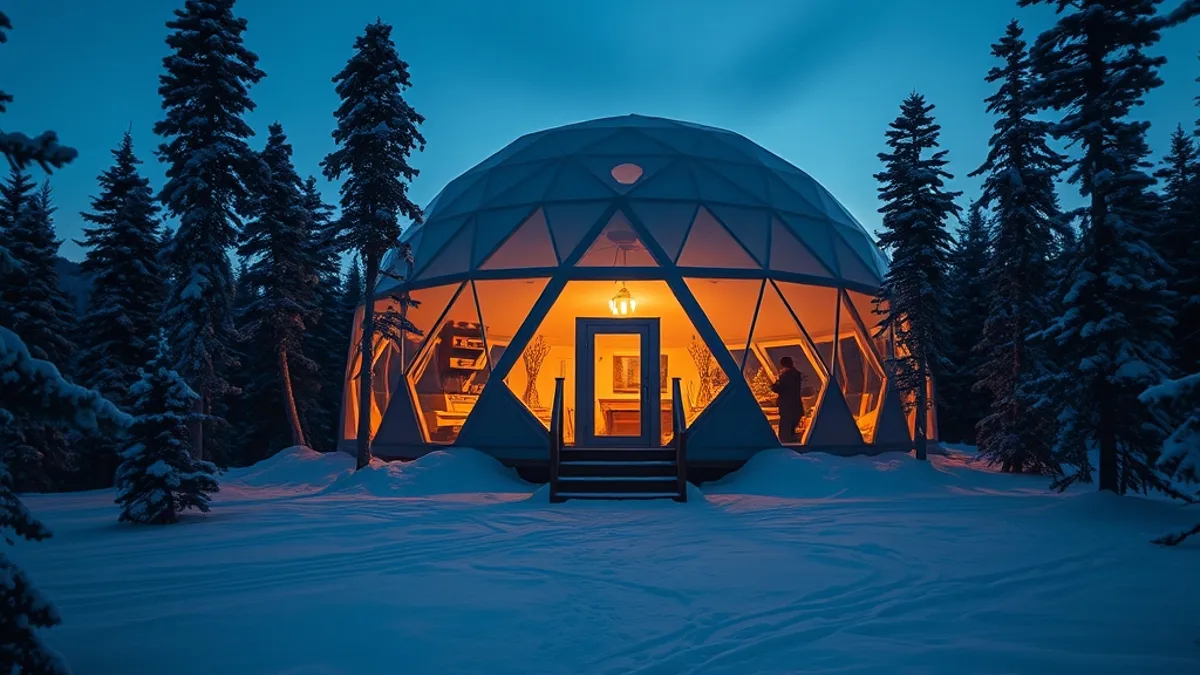
For the US Southwest, the glamping calendar flips. Deserts in Arizona, Utah, Nevada and New Mexico are at their best from November to March, when days are mild enough for hiking and sightseeing and nights are cold but manageable with the heater most glamping sites provide. Sleeping in a heated dome under a desert sky in January is one of the best experiences this style of travel offers.
Why winter works here
The reason is simple: summer. Desert heat regularly climbs above 100°F in the hottest months, which makes canvas tents and domes uncomfortable even with air conditioning, and pushes most outdoor activities into a narrow early-morning window. Many travelers find summer desert glamping more endurance test than vacation.
Keep in mind that winter is high season in the desert, not a quiet workaround. Snowbirds and winter travelers fill the best sites, so the usual peak-season booking rule applies, and the earlier you reserve the better your odds of getting the unit you actually want. This matters even more if you have your heart set on a specific dome, a view of a particular landmark or a weekend stay, since those options tend to disappear first.
If your dates are flexible, midweek winter nights are generally easier to find than weekends, and some sites price them lower too. Before you commit, check each property’s current availability, heating setup and cancellation policies, since these vary quite a bit from one desert site to the next. A quick message to the host about winter conditions can save you an unpleasant surprise.
Mountains and Alpine Regions: Short but Spectacular
Glamping in the mountains comes with a hard truth: the season is short. In the Rocky Mountains and other alpine regions, most sites operate roughly June to September. Outside that window, snow, frozen water lines and cold nights force many operators to close entirely, so your booking dates are largely decided for you.
Warm nights versus quiet trails
If sleeping warm matters most, aim for July and early August, which give the warmest nights of the alpine year. Even then, pack a fleece for the evenings; mountain temperatures drop quickly after sunset no matter how warm the day was.
Prefer fewer people? June and September mean fewer bugs and crowds at the same sites. Trails are quieter, wildlife sightings are more common, and the mornings feel calmer. The tradeoff is a real chance of a chilly night or a lingering spring snow patch in June, so check what each tent or dome includes, such as a wood stove or heated mattress pad.
There is a financial upside to the edges of the season, too. Shoulder-month discounts of 20-40% are common at the same sites that charge full price in midsummer. If your dates are flexible by even a week or two, booking late June or early September can get you the identical tent, view and amenities for noticeably less money.
Tropical Asia: Chase the Dry Season
Across much of Southeast Asia, the glamping calendar revolves around one thing: rain. The dry season, running from November to February, is the most reliable window for tented stays in countries like Thailand, Vietnam, Cambodia and Bali. Skies are clearer, humidity is lower, and jungle lodges and beachfront tents are at their best.
What the monsoon actually does to a glamping trip
During monsoon months, the problems go beyond getting wet. Expect heavy humidity, more mosquitoes, and in some cases occasional site closures when operators pull tents or suspend bookings during the wettest stretches. A canvas tent that feels romantic in February can feel damp and stuffy in the middle of the rainy season.
That said, the shoulder months deserve a closer look. October and March sit just outside the core dry window in much of the region, and many operators cut rates to fill tents. Weather in these months is usually acceptable: you may see a short afternoon shower, but you also get thinner crowds and easier availability at popular spots.
If you are set on a specific island or region, note that local rain patterns vary within the broader season, so it pays to check the typical conditions for your exact destination before locking in dates. Some coasts and islands have their own micro-patterns that shift the wettest weeks by a month or more in either direction.
For the safest bet across most of Southeast Asia, though, November to February remains the window to target. If your dates are flexible, pairing the edges of the dry season with a midweek stay is often the easiest way to land a better rate without gambling on the weather.
How Far Ahead to Book by Season
Glamping sites are small by nature. A property might have five tents, three domes and a couple of safari-style units, which means the best options sell out long before a 200-room hotel would. How far ahead you book should therefore match the season you are targeting, not just your own schedule.
For peak season, the general rule is simple: the earlier, the better. That is the difference between getting the cliffside dome with the sunset view and taking whatever unit is left. In destinations where peak season is short, such as alpine regions, this lead time matters even more because there are simply fewer good weeks to go around.
Shoulder season is more forgiving. Booking closer to your travel dates is usually enough to secure a good unit, and many sites still have solid availability as your dates approach. The savings of 20-40% at the same sites make shoulder months the smartest value play if your schedule is flexible.
- Midweek beats weekend: Friday and Saturday nights often carry a premium even within the same season, so a Tuesday-to-Thursday stay can lower the rate at an identical unit.
- Multi-night minimums apply in peak weeks: popular sites frequently require two- or three-night minimum stays on summer weekends and holidays, which midweek dates often avoid.
- Longer lead time for group bookings: if you need two or more units for the same dates, treat it like a peak-season booking rather than a shoulder-season one, since matching units sell out first.
Wrapping Up Your Glamping Season Plan
Most glamping disappointments come down to one simple mistake: booking the right tent in the wrong season. A dome that feels magical in the right month can leave you shivering, sweating or swatting mosquitoes if the timing is off. The fix is straightforward — match the season to the destination. Deserts shine in winter, mountains in summer, the tropics in dry season, and the Mediterranean in the shoulder months around the peak.
Timing your booking matters just as much. Reserve 3-6 months ahead for peak season to lock in the best units and views, while 1-3 months is usually enough for shoulder dates. If you can accept slightly less predictable weather, shoulder seasons trade perfect conditions for 20-40% savings at the very same sites. Got a glamping trip planned, or a season that worked brilliantly for you? Share it in the comments or pass this article along to a fellow traveler.