Trying to pin down the villa rental cost for a Mediterranean trip can feel like guessing. The same three-bedroom house might rent for one price in May and several times that in August, and two islands side by side can sit in completely different brackets. Add villa size, location and demand to the mix, and it’s no wonder travelers struggle to set a realistic budget before they even start searching.
This guide breaks the numbers down so you can plan with confidence. We’ll look at what actually drives pricing, how the seasons shift rates (peak weekly rates for a three-bedroom villa typically run roughly €3,000–€10,000, while shoulder-season weeks often cost 30–50% less), and what you can expect to pay per person compared with booking hotel rooms for a group. We’ll also cover when to book, the hidden costs that catch people out, and how to pull it all into a budget that works. Whether you’re eyeing the Greek Islands, Mallorca or the Amalfi Coast, here’s what to know.
What Determines Villa Rental Cost in the Mediterranean
Location first, everything else second
Where you rent matters more than any other factor. A villa on the Amalfi Coast or in Mykonos can command several times the rate of a comparable property in Croatia or on mainland Greece, simply because demand in those headline destinations far outstrips supply. The same bedroom count and the same sea view can sit in completely different price brackets depending on the coastline.
That doesn’t mean the pricier regions are always the better choice. Croatia, Mallorca’s quieter corners and less famous Greek islands often deliver similar scenery, food and swimming for a fraction of the cost. If a famous name isn’t essential to your trip, looking one region over is usually the single biggest saving available.
Size, pools and proximity to the water
Bedroom count pushes weekly rates up sharply, and not in a linear way. A five-bedroom villa typically costs considerably more per bedroom than a two-bedroom one, partly because larger properties attract bigger groups willing to pay for shared space. A private pool adds another meaningful jump to the weekly rate, especially at higher-end properties where it’s considered standard.
Position relative to the sea is the other major multiplier. A true seafront villa, or one within an easy walk of a beach, generally carries a premium of around 20–40% over a similar inland property a short drive away. Whether that premium is worth it depends on your group: families with young children often find walk-to-beach access invaluable, while groups planning day trips by car may happily trade the view for the lower rate.
How Seasons Change Mediterranean Villa Prices
Season is the single biggest swing factor in Mediterranean villa pricing, often mattering more than location or size. High season runs from late June to early September, when school holidays, warm sea temperatures and long evenings put demand at its peak. This is when owners charge their top rates, and the most desirable properties on the Amalfi Coast or in the Greek Islands are typically booked out months in advance.
If your dates are flexible, the shoulder seasons are where the real value lies. May to mid-June and late September to October offer rates that are typically 30–50% lower than peak prices, while the weather remains genuinely pleasant. In many parts of the Mediterranean, the sea is still warm enough for swimming well into October, and popular sights are far less crowded. A villa that commands a top-tier rate in August can often be secured for half that in late September.
The Quiet Winter Months
From November through April, the picture changes dramatically. Many villa owners close their properties entirely for the winter, especially on smaller islands where ferry services and restaurants wind down. Those that stay open often rent only on a long-term basis, aimed at remote workers or extended stays rather than week-long holidays.
That said, winter can suit certain travelers. Coastal towns in southern Spain or Croatia stay lively year-round, and a monthly rental in the off-season can cost less than a single peak week. If you are weighing a longer stay or even a purchase, it helps to understand how financing works — this guide to what buyers should know about interest rate locks covers the basics.
The practical takeaway: match your travel style to the season. Peak summer delivers the classic Mediterranean experience at premium prices, shoulder months deliver nearly the same weather at a fraction of the cost, and winter suits long stays in milder coastal spots.
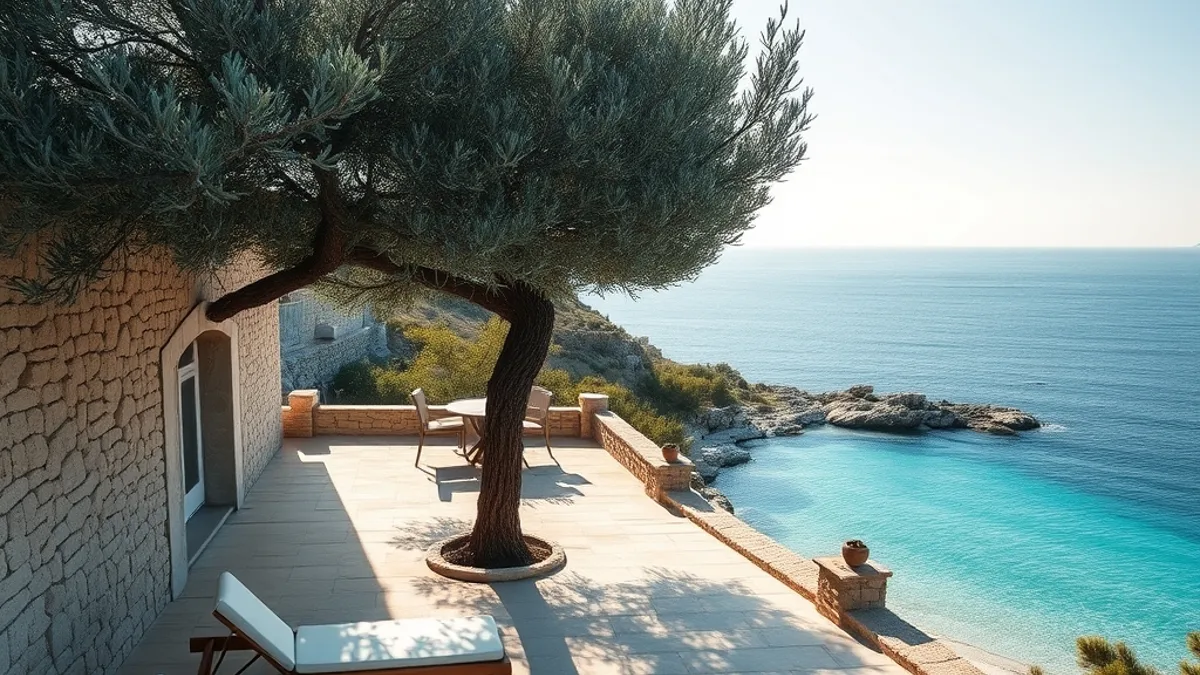
Typical Weekly Rates by Region and Villa Size
Weekly villa prices vary enormously across the Mediterranean, even for properties of the same size. A three-bedroom villa in peak season typically runs between €3,000 and €10,000 per week, and where you land in that range depends almost entirely on the region you choose. The same house that costs €3,500 on a quiet Greek island might easily double on the Amalfi Coast.
At the top of the market, luxury five-bedroom villas in prime spots can exceed €20,000 per week in August. These are usually seafront properties with pools, staff and views that justify the price tag for travelers who want privacy and space in the busiest month of the year.
If budget is your priority, look east and north. Croatia and the Greek islands outside Mykonos and Santorini generally sit at the lower end of the price range, often delivering excellent quality for the money. Mallorca and southern France fall somewhere in the middle, while the most famous stretches of the Italian and French coastlines command the highest rates.
- Croatia offers strong value around Split and Dubrovnik’s quieter surroundings. Stone villas with pools often rent for a fraction of what similar properties cost in Italy or France.
- Crete, Naxos and Paros tend to be gentler on the wallet than Mykonos or Santorini. You still get beaches, tavernas and plenty of sunshine, just without the celebrity-island premium.
- Size matters more in expensive regions than in affordable ones. A five-bedroom villa in Croatia may cost less than a three-bedroom one on the Amalfi Coast.
- Prime spots within a region still carry a premium. A hillside villa ten minutes inland usually rents for noticeably less than an identical one right on the water.
Cost Per Person: Villas vs Hotels for Groups
The most useful way to judge whether a villa is good value is to divide the weekly rate by the number of people sharing it. For larger groups, the result often lands between €100 and €300 per person per night, which is competitive with mid-range hotels in most Mediterranean destinations.
The savings become clearer with bigger parties. A group of 6–10 people booking hotel rooms would typically need three to five rooms, and the total adds up quickly in popular regions during peak season. A single villa with enough bedrooms usually costs less than that stack of rooms, and everyone gets far more space.
What you get for the money
Beyond the raw numbers, a villa gives you things hotels simply cannot. A shared kitchen lets the group cook breakfast together or split grocery costs instead of paying restaurant prices for every meal. A common living room, terrace and pool mean the group can actually spend time together in the evenings, rather than scattering to separate rooms or meeting in a lobby bar.
One practical tip: make sure the villa genuinely sleeps your whole group comfortably. Sofa beds and cramped twin rooms can turn a great per-person rate into a less pleasant trip, so check the real bed configuration before you book.
Booking Timing and Money-Saving Strategies
When you book matters almost as much as where you book. Villa availability in the Mediterranean is limited by definition — there is one property, not fifty identical rooms — so the best homes get claimed early. In popular regions like the Greek Islands, the Amalfi Coast, Mallorca, Croatia and southern France, the most attractive seafront villas are often reserved before the year even begins. A little planning goes a long way, and the savings can be substantial.
- Book 6–12 months ahead for peak season. If you want a specific week in late July or August, start your search the previous autumn or winter. Early booking gives you the widest choice of villas and the best rates, since owners have no reason to discount when demand is still building. It also gives you time to compare layouts, pool photos and reviews carefully instead of settling for whatever is left.
- Shift to shoulder-season dates. Moving your trip to May to mid-June or late September to October typically cuts the weekly rate by 30–50%, and the weather is still warm enough for swimming and long dinners outside. Beaches, restaurants and ferry connections are also noticeably calmer than in August.
- Travel as a group and negotiate longer stays. Owners often offer discounts to groups filling all the bedrooms, and booking two or three consecutive weeks instead of one can open the door to a reduced rate — especially outside the busiest weeks. A longer stay also means fewer changeover days competing for the calendar.
Finally, be flexible on exact dates if you can. Moving a trip by even a week can shift you out of the most expensive window, and asking an agent or owner directly about quieter weeks often surfaces deals that never appear in the listing itself. If your dates are fixed but your villa is not, let the agent know your budget — they frequently know comparable homes a short drive away that cost less and book up more slowly.
Hidden Costs to Budget Beyond the Nightly Rate
The weekly rate you see in a listing is rarely the whole story. Several charges are billed separately, and extras can add a meaningful amount to your final total. Ask the owner or agent for a full cost breakdown before you commit, so there are no surprises when the invoice arrives.
The most common extras are cleaning fees, a refundable security deposit, and — at some villas — separate charges for air conditioning or heating. In southern Europe, air conditioning is not always included in the base rate, so confirm this early if you are traveling in summer. Utility usage may also be metered at some properties.
- Private chefs: a cook preparing dinner at the villa typically adds somewhere in the range of €200–€800 per day depending on the menu and the region, plus the cost of groceries in some cases.
- Boat trips: a skippered day charter or RIB rental is one of the highlights of a Mediterranean villa holiday, but it is almost always quoted on top of the rental price and varies widely by boat size and season.
- Daily housekeeping: some villas include a mid-stay clean, while daily service is an optional extra charged per day — worth arranging if you want a hotel-style experience.
One more line item that is easy to forget: car hire. Rural villas, especially in Croatia, Mallorca or the hills of southern France, are often a drive from restaurants, beaches and supermarkets. Renting one or two cars for the week adds to the total trip budget, so factor it in from the start.
Planning Your Mediterranean Villa Budget
So, how much does a villa rental cost in the Mediterranean? The honest answer is that it ranges from about €3,000 to €20,000+ per week, depending on the season, the region and the size of the property. A 3-bedroom villa in Croatia will sit far below a luxury 5-bedroom clifftop home on the Amalfi Coast, and high season pushes every price up.
The good news is that you have real control over the final number. Traveling in the shoulder seasons and booking well ahead offer the biggest savings, and working out the per-person cost for your group gives you a fair comparison against hotels. Add in extras like cleaning fees, car hire and any extras you plan to book, and you will have a realistic total before you commit. Have you rented a villa in the Mediterranean? Share your experience or questions in the comments below.