Torn between pitching a tent yourself and arriving at a ready-made safari tent with a real bed waiting for you? The glamping vs camping question comes down to more than just budget. It touches your comfort level, your group size, the season you’re traveling in, and how much hands-on work you actually want out of your nights outdoors. Choosing wrong can turn a promising trip into a sleepless, soggy ordeal — or leave you overpaying for comfort you didn’t need.
This guide walks through the core difference between the two stay types, then compares what each one actually costs per night. From there, we look at comfort and convenience, the best seasons to book and how far ahead you should plan, and which stay fits your trip style best. We’ll also share how to spot a quality glamping site or campground before you commit, then wrap up with a simple way to make the final call. By the end, you’ll know exactly which option fits your next outdoor getaway.
Glamping vs Camping: The Core Difference in One Minute
The difference between these two outdoor stays comes down to one simple question: who sets up your shelter? With traditional camping, you do everything yourself. You bring the tent, the sleeping bags, the pads, the stove or fire gear, and you handle all of the setup and teardown at your site. That hands-on work is part of the appeal for many travelers — it’s cheaper, it’s flexible, and it puts you directly in charge of your own comfort.
Glamping flips that arrangement. Instead of packing gear, you arrive at a structure that’s already standing: a safari tent, a cabin, a yurt or a dome. These units usually come with a real bed, lighting, and often furniture you didn’t have to carry anywhere. Someone else built the shelter; your job is simply to show up and enjoy it.
So which one is right for you?
The real decision isn’t about which stay type is better in the abstract — it’s about how much comfort you’re willing to trade for immersion in nature and a hands-on experience. Some travelers love the ritual of setting up camp and the satisfaction of a night earned under canvas. Others would rather spend their energy hiking, exploring, or relaxing, and let a ready-made structure handle the rest. Neither answer is wrong; the key is being honest about which kind of trip you’re actually planning.
What Each Stay Type Actually Costs
Let’s talk numbers, because this is where the two options diverge sharply. A basic campground tent site typically runs $20-$60 per night, depending on the location, the facilities available, and how popular the area is. That rate covers the patch of ground and access to shared amenities — the shelter itself is on you. If you don’t already own a tent, sleeping bags, pads, a cooler and a stove, factor in the cost of buying or renting gear, which can add up quickly for a first trip.
What glamping costs per night
Glamping stays typically run $150-$400 per night, and that price usually includes bedding, furniture, and often a private bathroom. In other words, you’re paying a premium for the structure, the comfort and the zero-setup convenience — but you’re not also paying separately for gear, since there’s essentially none to bring.
Over a 3-night trip, the price gap between the two options can reach several hundred dollars. Before writing off camping as the budget choice or glamping as an extravagance, weigh that gap against what you’d actually spend on gear. If you already own quality equipment, camping’s low nightly rate is hard to beat. If you’d need to buy everything from scratch for a single trip, glamping may cost less overall than you’d expect — and you skip the packing entirely.
Comfort and Convenience Compared
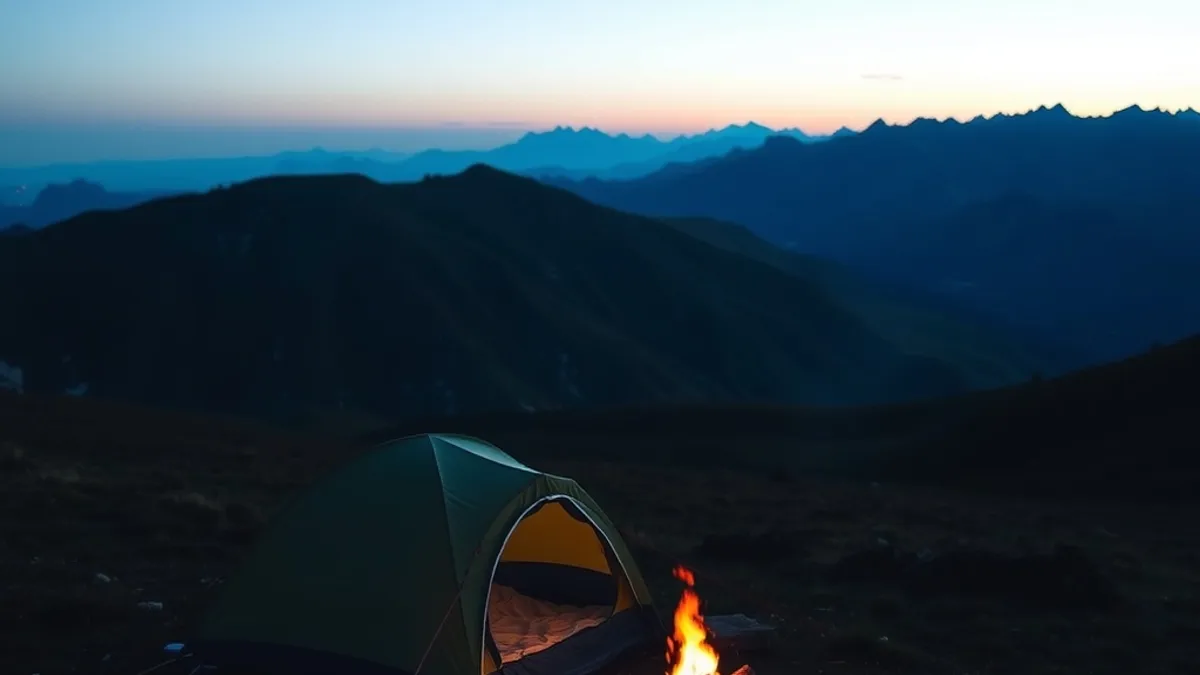
Comfort is where the two stay types feel most different, especially after dark. Glamping units usually include a real bed with proper linens, heating or fans depending on the climate, and often electricity for charging devices and reading at night. Many sites offer a private bathroom, though some use well-maintained shared facilities — always confirm which before booking. Tent camping, by contrast, means sleeping pads or bags on the ground, cooking over a campfire or portable stove, and using shared campground bathrooms and water stations.
Neither setup is inherently better; they simply suit different travelers. If you’re considering your first camping trip, it helps to be honest with yourself about a few things before committing — the same way you’d assess priorities carefully when making any significant comfort-versus-cost decision, like the trade-offs covered in this home buying guide for long-term financial comfort. Ask yourself:
- Cold nights: temperatures can drop noticeably after sunset even in warm months, and a thin sleeping pad offers little insulation from the ground.
- Insects: mosquitoes and other bugs are part of open-air camping, so repellent, long sleeves and a screened tent matter more than most beginners expect.
- Early sunrises: tents brighten with dawn light, so light sleepers should pack an eye mask or accept waking with the birds.
- Shared facilities: expect walks to bathrooms and water spigots, and busy lines at popular campgrounds during morning hours.
If any of these sound genuinely unpleasant rather than just character-building, a glamping unit with a solid bed and climate control will make your trip far more enjoyable.
Best Seasons and How Far Ahead to Book
Timing matters more for outdoor stays than for almost any other trip type. Peak season runs June through August in most northern-hemisphere destinations, and during those months both campgrounds and glamping sites fill fastest. Popular glamping properties can sell out an entire summer weekend calendar well before the season starts, especially units with private bathrooms or standout views. The most scenic tent sites at well-known parks go quickly too, so waiting until the week before a summer trip usually means settling for whatever is left.
As a general rule, book glamping 2-3 months ahead for summer dates, and longer if you have your heart set on a specific unit. Standard tent sites are more forgiving: outside peak season, they can often be secured 1-4 weeks out, which makes spontaneous camping trips far easier to plan. If your dates are flexible, shoulder season is your friend — May and September typically bring milder prices and thinner crowds for both stay types, with pleasant weather in many regions. You may also find operators offer midweek rates during these quieter months, so it never hurts to ask when you call or book online.
- Midweek beats weekends: a Tuesday or Wednesday arrival often opens up availability at sites that are fully booked Friday through Sunday, even in high season.
- Set a booking reminder: some public campgrounds release reservations on a rolling schedule, so knowing the release date for your travel window lets you grab a specific site the moment it opens.
- Watch cancellation slots: popular sites free up when plans change, and rebooking platforms or campground waitlists can land you a spot a few weeks out.
- Check holiday weekends early: dates around major holidays behave like peak season regardless of the month, so treat them with the same lead time as summer.
Matching the Stay to Your Trip Style
Group size is often the deciding factor before budget even enters the conversation. Most glamping units are built for couples and small groups of 2-4, so a party of five may need to book two units, which changes the math quickly. Family tent campsites, by contrast, often accommodate 4-6 people on a single site, making traditional camping the more natural fit for larger households.
Trip style matters just as much. Camping rewards travelers who enjoy the routines: cooking over a stove or fire, keeping gear organized, and settling in each evening. It suits road trips and national park hopping, where you may change location every night or two and a fixed, furnished unit would slow you down.
Glamping shines on different occasions. It works well for celebration trips like anniversaries or birthdays, for destinations known for wet weather where a solid roof and real bed make rainy days comfortable, and for guests who want a nature setting without owning or packing any gear.
- Anniversaries and honeymoons: a furnished tent or cabin with a proper bed turns a night outdoors into part of the celebration rather than a compromise.
- Multi-stop road trips: tent camping keeps nightly costs low across many stops, and campsites near park entrances make early trailhead starts easier.
- First-time outdoor guests: friends who have never camped often say yes to a glamping unit, while a bare tent site may put them off the idea entirely.
- Longer family stays: a week at one family campsite gives kids space to roam and lets you cook most meals, which keeps a longer trip affordable.
How to Spot a Quality Glamping Site or Campground
Not all outdoor stays are equal, and the difference between a great site and a disappointing one usually shows up in the details that photos and listing descriptions gloss over. A little verification before you book saves you from arriving to a cramped tent site, a tired bathroom block, or a glamping unit that looks nothing like its listing photo. The good news is that this vetting takes very little time, and it works the same way whether you are reserving a basic tent site or a furnished unit.
- Study recent photos and reviews. Look specifically for images of the actual unit you would book, not just the property’s best angle, and read recent reviews for comments on bathroom cleanliness and how close neighboring units or sites are. Reviews from the last few months matter most, since management, maintenance and even the surrounding tree cover can change from one season to the next.
- Confirm exactly what is included. Ask or check the listing for heating or fans, linens, kitchen access, a fire pit, and whether bathrooms are private or shared — two similarly priced units can offer very different setups. If anything on your must-have list is unclear, email the host before paying rather than assuming.
- For campgrounds, verify the site itself. Check the site’s size, how much shade it gets, whether there is water access nearby, and whether it is walk-in or drive-up, since carrying gear a long distance changes what you pack. A drive-up site lets you bring heavier coolers and extra comfort items; a walk-in site rewards a lighter, more deliberate packing list.
- Map the layout before choosing. Many campgrounds publish site maps, and glamping sites often describe spacing between units, so you can avoid sites pressed against washrooms or busy paths. If a map is available, look for natural buffers like trees or terrain between your site and the noisiest areas, such as entrances, playgrounds and water spigots.
Ten minutes of this homework makes a real difference. Reading the most recent reviews rather than the overall average gives you the clearest picture of current conditions, and messaging the host or campground with one or two specific questions often reveals how responsive they will be if something goes wrong during your stay. A host who answers clearly and quickly before booking tends to be just as helpful once you are on site, while slow or vague replies are a useful early warning sign.
Wrapping Up: Choosing Between Glamping and Camping
So which one fits your trip? If you want a real bed, a bathroom and zero setup when you arrive, glamping delivers all of that — you just pay a premium for the convenience. If you enjoy camp routines, cooking outdoors and being self-sufficient, tent camping rewards that effort with a more hands-on experience, and it suits road trips and park-heavy itineraries especially well.
The simplest way to decide is to match the stay to the trip itself. Think about how many people are coming, what the weather will likely do while you’re there, and how much roughing it you genuinely enjoy. A rainy-weather destination or a special-occasion getaway leans toward glamping; a long drive through several parks leans toward camping. There’s no wrong answer — only the one that fits your kind of trip.
If this helped you settle the debate, leave a comment with your pick or share the article with a friend who’s weighing the same choice.