Finding the right glamping site for a family trip can feel like guesswork. One family books a stunning tent from glossy photos, only to arrive at a slope with no shade and a bathroom block a fifteen-minute walk away. Another pays for a pool the kids are too young to use. Without a clear way to compare options, most families end up learning through expensive trial and error.
This guide walks you through the decisions that matter: why the right glamping site makes or breaks a family trip, how to pick the stay type that fits your children’s ages, choosing a location and driving distance that keeps stress low, the kid-friendly facilities worth prioritizing, the best seasons and booking lead times, and what a family glamping trip really costs. By the end, you will know exactly which questions to ask before you click “book,” so comfort, safety and budget all line up on the first try.
Why the Right Glamping Site Makes or Breaks a Family Trip
It is easy to fall for a beautiful photo: a canvas tent glowing at sunset, wildflowers in the foreground. But photos rarely show whether that tent sits on flat, drained ground, whether trees provide afternoon shade, or whether children can walk from the tent to the bathroom without crossing a road or a steep bank. A site chosen only for how it looks often fails on the basics that decide whether a family trip is relaxing or exhausting.
Comfort levels vary more than you expect
“Glamping” covers a huge range. At one end, you get a furnished tent with camping mattresses, a shared cooking area and a shower block across the field. At the other, you find insulated cabins or domes with private bathrooms, full kitchens, heating and proper beds. Both can be wonderful, but they suit very different families. Before booking, read the accommodation description line by line and note exactly what is included: bedding, towels, cooking equipment, electricity and bathroom access.
Match the site to your children’s ages
A toddler and a ten-year-old need completely different things from a site. Little ones do best with short, safe walking distances, solid walls and heating. Older kids thrive where there is a pool, playground or lake to explore. If you pay a premium for facilities your children cannot use, or book a rustic setup that does not work for their age, that money is wasted. Think about your kids first, the photos second.
Pick the Right Stay Type for Your Family
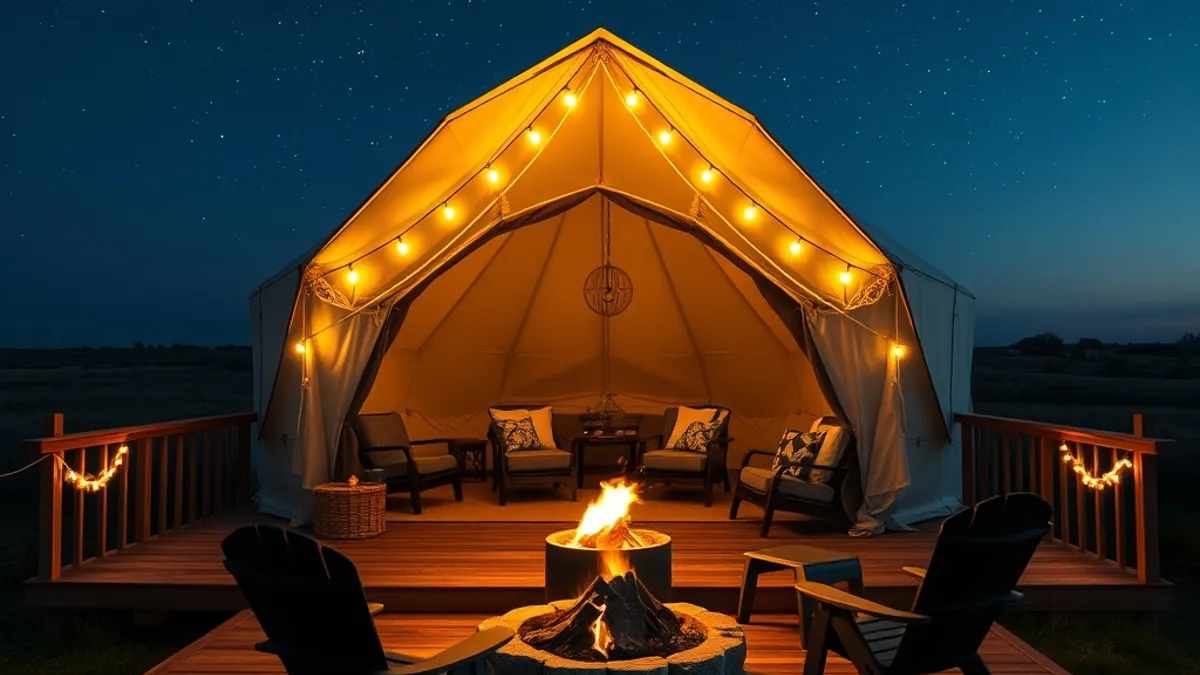
Safari tents and bell tents give families a genuine outdoor feel: canvas walls, morning birdsong and evenings by the fire. They work best with children over five, who can move carefully around guy lines, cope with cooler nights and treat the experience as part of the adventure. With toddlers, canvas can feel like a lot of supervision.
If you are traveling with very young children or planning a trip in the cooler shoulder season, glamping cabins and domes are the safer choice. Solid walls, heating and lockable doors mean naps and early bedtimes are not at the mercy of wind and temperature. It is the same logic that guides bigger purchases: matching the structure to your family’s real needs, not just the brochure, pays off. The same mindset applies when you weigh comfort against cost in long-term decisions, as explained in this guide to long-term financial comfort.
Whichever stay type you choose, floor space and beds matter more than decor. Aim for 25-30 square meters for a family of four, and confirm you are getting real beds rather than foldouts.
- Ask about bed configuration: a proper double plus two singles lets everyone sleep well, while two foldout cots can leave parents on the floor with a restless child.
- Check the layout, not just the total area: a covered porch or separate sleeping compartment effectively doubles usable space on rainy days.
- Confirm what is fixed versus portable: a real kitchenette with a fridge and stove saves you packing a cooler and camp stove for every meal.
- Look at insulation and ventilation: mesh windows with zip-up covers keep tents usable in both heat and cool evenings.
Choose Location and Distance Wisely
For your first family glamping trip, keep the drive short. A site within a 1-2 hour drive of home means a car-sick child, a forgotten lovey or a sudden change of weather does not turn into a major ordeal. You can also do a practice visit: if the site disappoints, it is an easy day trip to check it out properly before committing to a longer stay there.
Lakeside and forest sites: activities versus logistics
Lakeside and forest locations come with built-in entertainment: swimming, paddling, wildlife spotting and trails. The trade-off is logistics. Check how far your tent or cabin sits from the parking area, because carrying bags, coolers and sleepy children across a long field gets old fast. Also check the distance and terrain between your accommodation and the water, and whether the shoreline is gently sloped or drops off quickly. Fenced or clearly marked water edges are a real advantage with young kids.
Rural sites and the grocery question
Many of the loveliest glamping sites are deep in the countryside, which often means no shop on site and none nearby. Before booking, confirm how far the nearest grocery store is and what its hours are like. If it is a twenty-minute drive each way, plan your food shopping for arrival day and bring enough staples to cover the whole stay. Ask the hosts, too, whether they sell basics like firewood, milk or bread on site; many rural operations do, and it can save you a trip when you run out of something mid-stay.
Kid-Friendly Facilities to Look For
If your kids are between 4 and 12, facilities can make or break the trip. At this age, children need something to do between meals, and a site with a pool, playground or safe lake access will keep them busy for hours. A beautiful tent in the middle of nowhere sounds romantic until your kids are bored on day two. Look for sites that spread activities out rather than packing everything into one corner, since a bit of walking space between the playground, the pool and your tent keeps the day varied.
Bathrooms matter just as much. Before booking, confirm whether your unit has a private bathroom or how far the nearest shower block is. Walking a sleepy toddler across a dark field at 10 pm is nobody’s idea of fun. If you’re booking a tent, ask specifically how many tents share each shower block and whether there is lighting on the path. Also check whether the block has family changing rooms, which are far easier with small children than separate men’s and women’s sections.
Finally, ask the site directly about the details photos never show. Good questions to put in an email before you book:
- Fire pits: is there one at your unit or shared, and does the site provide firewood or sell it on-site?
- Covered common areas: a sheltered lounge or dining barn gives your family somewhere dry to sit when the weather turns.
- Pet policy: if you travel with a dog, confirm it’s allowed and whether pets must stay leashed near tents.
- Quiet hours: ask when noise rules kick in, especially if your kids go to bed early and nearby groups stay up late.
- Kitchen access: if your unit has no cooking facilities, ask whether there is a shared kitchen or a simple way to heat food and wash dishes.
When to Go: Seasons and Booking Lead Times
Timing shapes almost everything about a family glamping trip. Peak season runs from June to August: pools are open, all facilities and activities operate at full capacity, and the atmosphere is lively. The trade-off is paying the highest rates of the year and sharing the site with plenty of other families.
May and September are the sweet spot for many parents. Rates are milder, sites are quieter, and you can often pick your favorite unit instead of taking what’s left. The catch is the evenings, which can get cool, so pack warm layers and check whether your tent or cabin has heating before you commit to a shoulder-season date.
How far ahead to book
Summer weekends at popular family sites sell out fast, so book 3-6 months ahead if you want a specific unit over a school holiday weekend. For weekday stays in May or September, 2-4 weeks is often enough, and you may even find last-minute deals.
One more thing to check before you get your heart set on a quick weekend escape: many family-oriented sites require a 2-night minimum stay on weekends. Ask when you inquire so you can plan around it rather than discovering it at checkout.
Budgeting: What a Family Glamping Site Really Costs
Glamping prices vary more than most families expect, so it helps to know the typical ranges before you fall in love with a listing. A family-size glamping tent usually runs $150-350 per night in high season, depending on location, bathroom setup and how much is included. If that stretches your budget, a basic glamping cabin at around $100-200 per night is often the better value, especially with young kids who mostly need solid walls, real beds and warmth.
Whatever the nightly rate, remember it rarely covers everything. A booking that looks affordable online can creep up once you add the extras families actually end up buying. On-site extras can add $30-80 per day for a family, so build them into your budget before you book rather than after. The usual suspects:
- Activities: kayaking rentals, guided nature walks and craft sessions are often charged separately, sometimes per child.
- Firewood and charcoal: many sites sell bundles on-site, which is convenient but adds up over a multi-night stay.
- On-site food: a pizza night or breakfast service saves cooking, but feeding a family of four this way daily gets expensive fast.
- Bike or equipment rental: if the site rents bikes, paddleboards or games, decide in advance what you’ll actually use.
A simple trick: pick your unit, then email the site and ask exactly what is and isn’t included. Ask about cleaning fees, deposits and whether towels or bedding are provided, since some tent operators charge for linen. Ten minutes of questions can save you a genuinely surprising amount by checkout, and it also tells you how responsive the owner is before you commit.
Wrapping Up Your Glamping Site Choice
Finding a glamping site that keeps the kids safe, keeps everyone comfortable and doesn’t blow the budget comes down to a few simple matches. Pick a stay type and floor space that suit your children’s ages and the season you’re traveling in, then weigh distance from home, facilities and the typical $100-350 nightly range against what you can realistically spend. When those three things line up, you’ve found your site.
Timing does the rest. Book 3-6 months ahead for summer weekends to secure the best family sites before they fill up, and you’ll avoid the trial-and-error that turns so many trips into lessons learned. Have a favorite glamping tip or a site your family loved? Leave a comment or share this article with another family planning their first trip.