An all-inclusive lodge can look like a bargain at first glance: one price covers your room, your meals, and a stack of activities. But many travelers book these properties without knowing exactly what’s bundled in, and they only discover the gaps when the bill arrives at checkout. Was that guided fishing trip included? What about the wine at dinner or the shuttle from the airport?
This guide breaks down what a typical all-inclusive lodge rate actually covers, what you can expect to pay per night, and how the season you choose affects the price. We’ll also compare the amenities that matter most between lodges, flag the hidden costs and fine print worth checking, and help you decide whether a bundled rate genuinely fits your budget. By the end, you’ll be able to read a lodge’s pricing page with a clear idea of what you’re really paying for.
What an All-Inclusive Lodge Rate Actually Covers
At most all-inclusive lodges, the standard rate bundles together the essentials: your accommodations, three meals a day, and a set of basic activities. Those activities are usually the non-motorized kind, such as guided hikes, canoeing, swimming, or use of trails and common areas around the property. For many travelers, that package alone covers most of what they want from a lodge stay.
What usually costs extra
Premium items are where lodge bills can grow. Alcoholic beverages, guided excursions like fishing trips or wildlife tours, and spa treatments are typically billed separately, even at properties that advertise themselves as all-inclusive. Some lodges offer tiered packages that add drinks or excursions for a higher nightly rate, so it pays to ask what versions of the plan they offer.
Before you book, ask the lodge for a sample daily schedule and a full inclusions list. A good property will send both without hesitation. Seeing how a typical day runs, and exactly which activities, meals, and drinks are covered, is the simplest way to avoid surprises on your final bill.
Typical Costs: What You’ll Pay Per Night
So what does a stay actually cost? At mid-range all-inclusive lodges, expect roughly $250 to $800 per person per night. That range is wide because it reflects real differences in remoteness, meal quality, and the activities included. A comfortable lodge with solid food and a few included hikes sits at the lower end, while a property with gourmet dining and a full activities program climbs toward the top.
Luxury wilderness lodges are a different category altogether. During peak season, rates at these properties can top $1,000 per person per night, often for smaller room counts, exclusive locations, and highly personalized service. You’re paying for scarcity as much as comfort, since many of these lodges hold only a handful of rooms or cabins.
Before you compare any two properties, make sure you’re actually comparing the same numbers. Lodge pricing has a few quirks that catch first-time bookers off guard, and they can swing your final total more than the advertised rate itself.
- Per person, not per room: Lodge rates are almost always quoted per guest, so a couple should double the advertised figure to estimate their nightly total.
- Gratuities on top: Most lodges expect tips for guides, dining staff, and housekeeping, so budget an extra 10-15% of your stay total for gratuities.
- Length of stay multiplies fast: Because remote lodges often require multi-night stays, even a modest nightly rate becomes a significant trip expense once you multiply it across several nights and two travelers.
When you compare lodges, calculate the full stay total rather than the nightly rate. Add the nightly figure for your whole group, multiply by the number of nights, then factor in gratuities. That’s the number that determines whether a property fits your budget, and it’s often quite different from the rate you first saw advertised.
How Season and Timing Affect Pricing
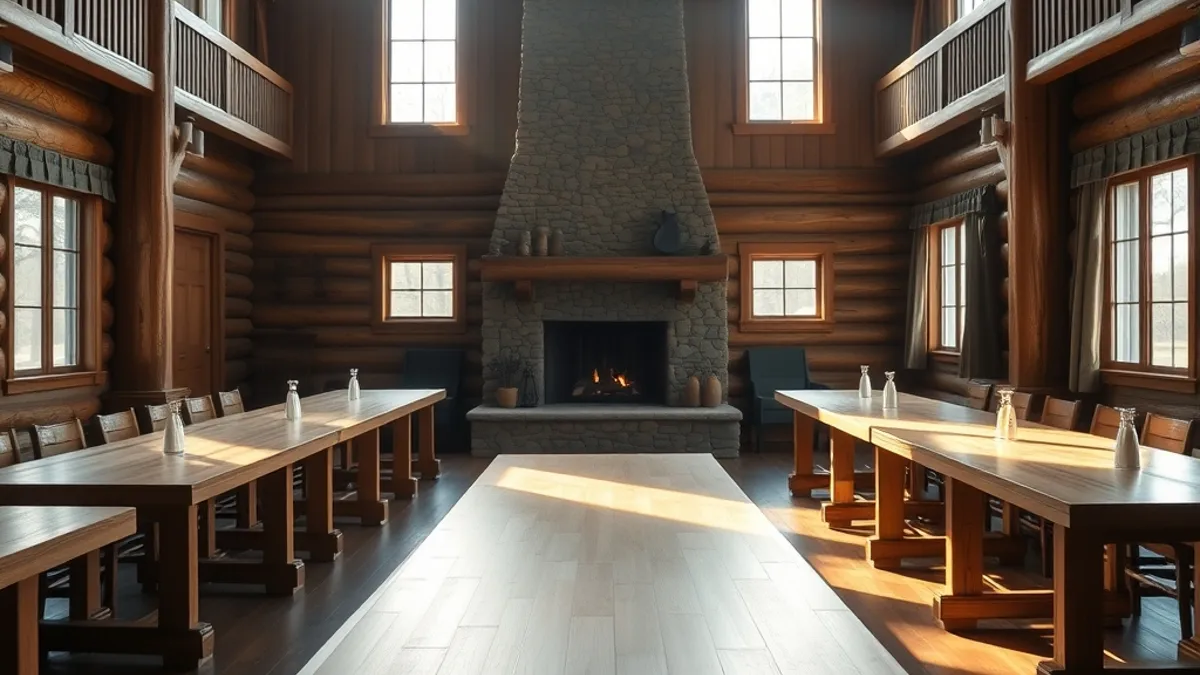
Timing has an outsized effect on lodge pricing. Peak season usually runs June through August, and during those months rates sit at the top of the range. The weather is most reliable, trails and waterways are at their best, and families with school-age children compete for the same limited rooms. Remote lodges often have only a dozen or two of those, so demand pushes prices up quickly.
The shoulder-season advantage
Shoulder months like May and September can cut costs noticeably while offering similar scenery. In many destinations, early fall brings changing foliage and active wildlife, and late spring offers longer days with fewer crowds. Trails and facilities are typically fully operational by then, so you sacrifice little beyond guaranteed warm weather.
How far ahead to book
Booking 6 to 12 months ahead is standard for securing peak-season dates at popular lodges. The smallest properties sell out their summer calendars early, and waiting often means settling for shoulder-season dates or a different lodge entirely. If your heart is set on July, start your search the previous fall and ask lodges directly about their booking calendar and deposit terms.
Amenities Worth Comparing Between Lodges
Meals are the part of your stay you’ll experience three times a day, so they deserve the closest look before you commit to a booking. Some lodges serve generous, chef-driven dinners built around fresh local ingredients, while others stick to simple buffet-style fare that can get repetitive over a multi-night stay. Just as important is flexibility: a few properties offer only one fixed dinner seating and a set menu with no choices, which can feel restrictive if you’d rather eat late after a long day on the trail. If you have dietary needs, ask directly how the kitchen handles them and whether they can accommodate requests on short notice.
Activities are the other big variable. Two lodges with similar nightly rates can include very different things, so ask for a written list of what’s covered before you book. A lodge that includes daily guided outings may actually cost less overall than a cheaper one that bills every excursion separately. The items below are the ones most worth comparing side by side when you evaluate your options.
- Dining flexibility: find out whether there are set seating times, a choice of entrees each night, and options for dietary needs like vegetarian or gluten-free meals.
- Included activities: confirm which guided hikes, canoeing, or kayaking sessions come standard, and how often they run each day.
- Paid add-ons: guided fishing, horseback rides, and boat tours are commonly billed separately, so get a sense of how these extras are priced if you plan to use them.
- Room comfort: at remote properties, private baths, heating, and Wi-Fi vary widely, and some cabins still share facilities, so ask about your specific room type rather than the lodge in general.
Hidden Costs and Fine Print to Check
The nightly rate is only the starting point, and a few details buried in the booking terms can noticeably change your total. None of these are deal-breakers on their own, but they’re easy to miss when you’re excited about a property and ready to reserve.
Minimum stays and transfers
Many remote lodges require a minimum stay of 2 to 4 nights. That’s understandable given how hard it is to fill a single-night gap deep in the wilderness, but it means a lodge that looks affordable per night can add up quickly once you multiply it out. Always calculate the full stay, not just the nightly figure, before comparing properties.
Transfers are the other frequent surprise. Getting guests to a remote location by shuttle, boat, or small aircraft takes time and money, and some lodges include it in the rate while others bill it separately. Ask specifically whether airport or trailhead transfers are covered, and if not, request an estimate so you can factor it into your budget.
Cancellation terms
Remote lodges often enforce stricter cancellation policies than standard hotels, partly because a canceled room is much harder to refill at the last minute. Some may require significant notice for a refund, or offer credit toward a future stay instead of your money back. Read the cancellation section of your confirmation carefully before paying a deposit, and if your travel plans depend on weather or flights that could shift, consider whether the policy leaves you enough room to adjust.
How to Decide If an All-Inclusive Lodge Fits Your Budget
The simplest way to judge whether an all-inclusive lodge is a good deal is to run a quick comparison. Add up what you’d realistically spend on meals, drinks, and activities if you booked everything separately, then set that total against the bundled rate. If the numbers are close, the all-inclusive option usually wins on convenience alone, since you won’t be reaching for your wallet every day.
When the bundle pays off
Travelers who plan to fill their days with guided excursions usually get the most value from all-inclusive pricing. Guided fishing trips, horseback rides, and boat tours add up fast when purchased individually, so a rate that includes several activities can effectively pay for itself. If you already know you’ll want two or three excursions plus all your meals covered, the math tends to favor the bundle.
When it doesn’t
Light-activity travelers should look more carefully. If you’d rather spend your days reading by the lake and taking one self-guided hike, you may be paying for excursions you’ll never use. In that case, booking a lodge with a modified plan or a la carte options can cost less. Some properties offer a rate that covers meals and lodging only, letting you add activities as you go, which suits travelers who prefer to keep their schedule open.
Either way, do the comparison with honest numbers rather than optimistic ones. Most people overestimate how much they’ll relax and underestimate how many activities they’ll book, so it helps to sketch out a realistic day-by-day picture before deciding.
Wrapping Up Your Lodge Planning
An all-inclusive lodge can absolutely save you money, but only when the bundled rate matches how you actually travel. With typical rates of $250 to $800 per person per night, the price makes sense if you’ll use the meals, lodging, and basic activities included. Add in peak-season pricing, minimum stays, transfers, and gratuities, and the final bill can climb well past the number you first saw online.
The surest way to know whether that upfront price is a bargain or a trap is to compare inclusions side by side. Line up what each lodge covers against what you’d realistically spend on your own, and the answer usually becomes clear. If you’ve stayed at an all-inclusive lodge, or you’re still weighing the decision, share your experience or questions in the comments below.